Introduction
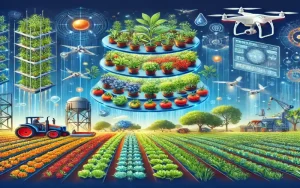
In light of the environmental and economic challenges faced by the agricultural sector today, adopting sustainable agricultural practices has become essential for ensuring food security and preserving natural resources. Al Safwa Agricultural Investment Company stands out as one of the leading companies that embrace sustainable farming methods to achieve its commercial and environmental goals. The company aims to balance increasing agricultural production while providing innovative solutions to protect the environment and conserve natural resources.
Concept of Sustainable Agriculture
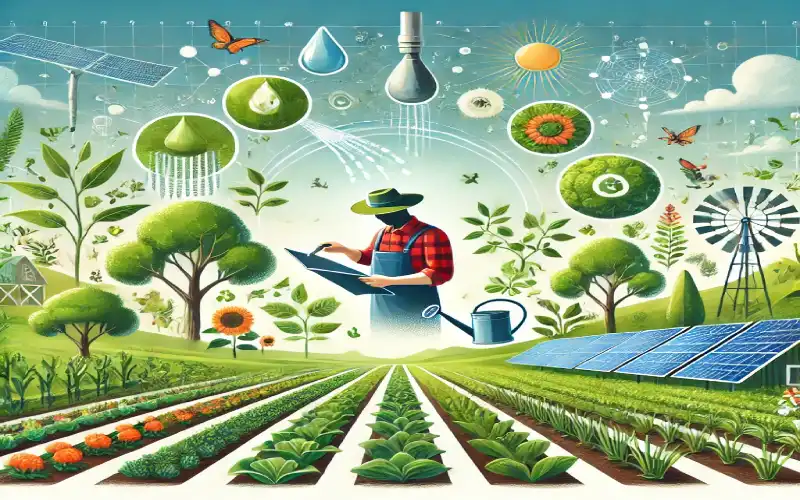
Sustainable agriculture encompasses a set of farming practices designed to achieve continuous agricultural production without depleting natural resources or negatively impacting the environment. It relies on modern techniques that help reduce water, energy, and chemical usage, thus maintaining ecosystem balance and contributing to sustainable development.
Al Safwa’s Strategy for Achieving Sustainable Agriculture
Al Safwa follows a comprehensive strategy based on several core principles to achieve sustainable agriculture. Some of the most prominent principles include:
- Utilization of Modern Technologies
Al Safwa relies on advanced technology throughout all farming stages, from seed selection to harvesting. These technologies help reduce resource consumption, such as water and energy, and improve agricultural efficiency. For example, drip irrigation systems are utilized to minimize water wastage and enhance water use efficiency. - Agricultural Diversity
The company encourages the cultivation of a diverse range of crops, which enhances ecosystem diversity and reduces the risks associated with reliance on a single crop. This diversity helps improve soil quality and increase its resistance to diseases and pests, which is essential for agricultural sustainability. - Wise Resource Management
Al Safwa places great emphasis on conserving natural resources, such as water and soil. The company employs innovative soil management methods to protect and enhance soil quality, such as using organic fertilizers and cover crops to improve soil fertility and increase its water retention capacity. - Reduction of Chemical Usage
Al Safwa aims to minimize reliance on chemical pesticides and fertilizers, opting instead for organic fertilizers and biological pesticides that maintain the natural balance of the environment and do not harm the ecosystem.
Sustainable Agricultural Techniques Used by Al Safwa
Through sustainable agricultural techniques, Al Safwa aims to improve agricultural productivity without harming the environment. Here are some techniques adopted by the company:
- Drip Irrigation
Drip irrigation is one of the most important techniques used by Al Safwa to achieve sustainable agriculture. This system helps reduce water wastage by delivering water directly to the roots of plants in specified amounts, thereby increasing water use efficiency and preventing soil erosion. - Organic Farming
Al Safwa employs organic farming practices that reduce chemical usage, contributing to improved crop quality and soil health. The company strives to produce organic crops that meet the needs of both local and global markets without harming the environment. - Renewable Energy
The company seeks to reduce its carbon footprint by relying on renewable energy sources for agricultural operations, such as solar energy. This strategy helps decrease electricity consumption and achieves sustainability in production processes.
Environmental and Social Benefits of Sustainable Agriculture
The sustainable practices adopted by Al Safwa lead to numerous environmental and social benefits. Some of the key benefits include:
- Biodiversity Conservation
By minimizing chemical usage and promoting agricultural diversity, Al Safwa contributes to the conservation of plant and animal biodiversity. This diversity enhances crop resilience to diseases and pests and reduces the impact of climate change on agricultural production. - Carbon Emission Reduction
Al Safwa’s adoption of techniques that minimize carbon emissions, such as renewable energy usage and reducing fossil fuel consumption, contributes to combating climate change and maintaining ecosystem balance. - Supporting Local Communities
Al Safwa aims to promote sustainable development in local communities by providing sustainable job opportunities and improving living conditions for those working in agriculture. The company also contributes to enhancing agricultural infrastructure and food security in the regions where it operates.
Challenges Facing Sustainable Agriculture
Despite the numerous benefits of sustainable agriculture, there are several challenges that agricultural companies face in implementing these practices. Some of these challenges include:
- Technology Costs
The initial costs of modern technologies, such as drip irrigation systems and renewable energy, can be high, potentially hindering small companies from adopting these practices. However, Al Safwa is committed to investing in these technologies to achieve long-term savings in resources and increased productivity. - Climate Change
Climate change significantly impacts agricultural production, altering rainfall patterns and increasing temperatures. Al Safwa is working on developing agricultural techniques that adapt to these changes to maintain sustainable production. - Lack of Awareness
Raising awareness about the importance of sustainable agriculture remains a key challenge facing agricultural companies. Al Safwa is dedicated to educating farmers and consumers about the benefits of sustainable agriculture and its role in environmental protection.
Future Vision
Al Safwa Agricultural Investment Company looks toward the future with optimism and seeks to expand the application of sustainable agriculture practices across all its operations. The company is continuously working on developing more innovative solutions that support sustainability and contribute to environmental protection. It also continues to strengthen collaborations with local and international partners to broaden its global impact.
Conclusion
Al Safwa’s commitment to supporting sustainable agriculture reflects its dedication to achieving sustainable development and conserving natural resources. By adopting modern technologies and environmentally responsible practices, the company seeks to balance profitability with environmental protection. Al Safwa remains a model for the agricultural industry, continuing to work towards providing sustainable agricultural solutions that meet market needs and contribute to the preservation of our planet.